

Blog

  • Office Cleaning Solutions: The Complete Guide to a Healthier, More Productive Workplace

    Office Cleaning Solutions: The Complete Guide to a Healthier, More Productive Workplace

    Maintaining a clean office is no longer a luxury. Today, office cleaning solutions are essential for employee well‑being, productivity, and a strong professional image. A well‑cleaned workspace reduces the spread of germs, improves indoor air quality, and creates an environment that clients and staff feel comfortable in.

    This comprehensive guide explains why office cleaning matters, the most effective solutions in 2026, and how to choose the right services for your business.


    What Are Office Cleaning Solutions?

    Office cleaning solutions refer to specialized products, techniques, and service systems designed to maintain hygiene and tidiness in workplace environments. These solutions go beyond simple housekeeping, focusing instead on health‑driven cleanliness that meets industry standards and enhances daily operations.

    Some types of office cleaning solutions include:

    • Daily janitorial services
    • Deep cleaning and sanitation
    • Floor care and maintenance
    • Window and glass cleaning
    • Disinfection services
    • Specialized carpet cleaning
    • Eco‑friendly and green cleaning

    Each type addresses different aspects of office hygiene and collectively contributes to a healthier and more welcoming workplace.


    Why Office Cleaning Solutions Matter for Your Business

    1. Better Employee Health

    An office with poor hygiene is a breeding ground for illnesses. Common germs such as influenza viruses and cold bacteria can survive on surfaces like desks, keyboards, and door handles. Professional cleaning services aim to reduce these risks through:

    • Regular disinfection
    • High‑touch surface cleaning
    • Air purification support

    Keeping your office clean helps reduce sick days and ensures staff remain healthy and productive. According to the Centers for Disease Control and Prevention (CDC), properly implemented cleaning protocols can reduce the spread of infectious diseases significantly.


    2. Improved Indoor Air Quality

    Indoor air quality (IAQ) directly impacts employee well‑being and performance. Dust, allergens, and air pollutants can accumulate quickly in closed work environments.

    Professionals leverage solutions such as:

    • High‑efficiency particulate air (HEPA) vacuuming
    • HVAC system cleaning
    • Dust removal from vents and shelves

    These practices reduce allergens and improve overall office comfort.


    3. Enhanced Professional Image

    First impressions matter. Whether your clients visit occasionally or frequently, the cleanliness of your office reflects your brand. A tidy, well‑maintained space conveys professionalism and care.

    Clean offices can:

    • Improve client trust
    • Increase brand reputation
    • Support employee morale

    In competitive industries, a clean administrative environment can even contribute to higher conversion rates.


    Core Office Cleaning Solutions Explained

    Below is a detailed description of key office cleaning offerings widely adopted by businesses today.


    Daily Office Cleaning

    Daily office cleaning forms the backbone of workplace hygiene. Tasks typically include:

    • Emptying trash and recycling bins
    • Surface wiping and dusting
    • Restroom sanitation
    • Spot cleaning floors
    • Kitchen and break area cleaning

    A consistent schedule ensures that dirt and clutter never accumulate to problematic levels.


    Deep Cleaning and Disinfection

    Deep cleaning goes beyond everyday tidying. It involves:

    • Intensive surface disinfection
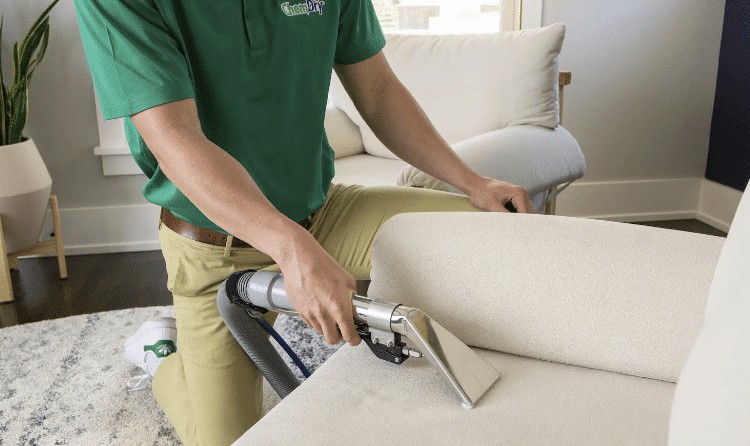
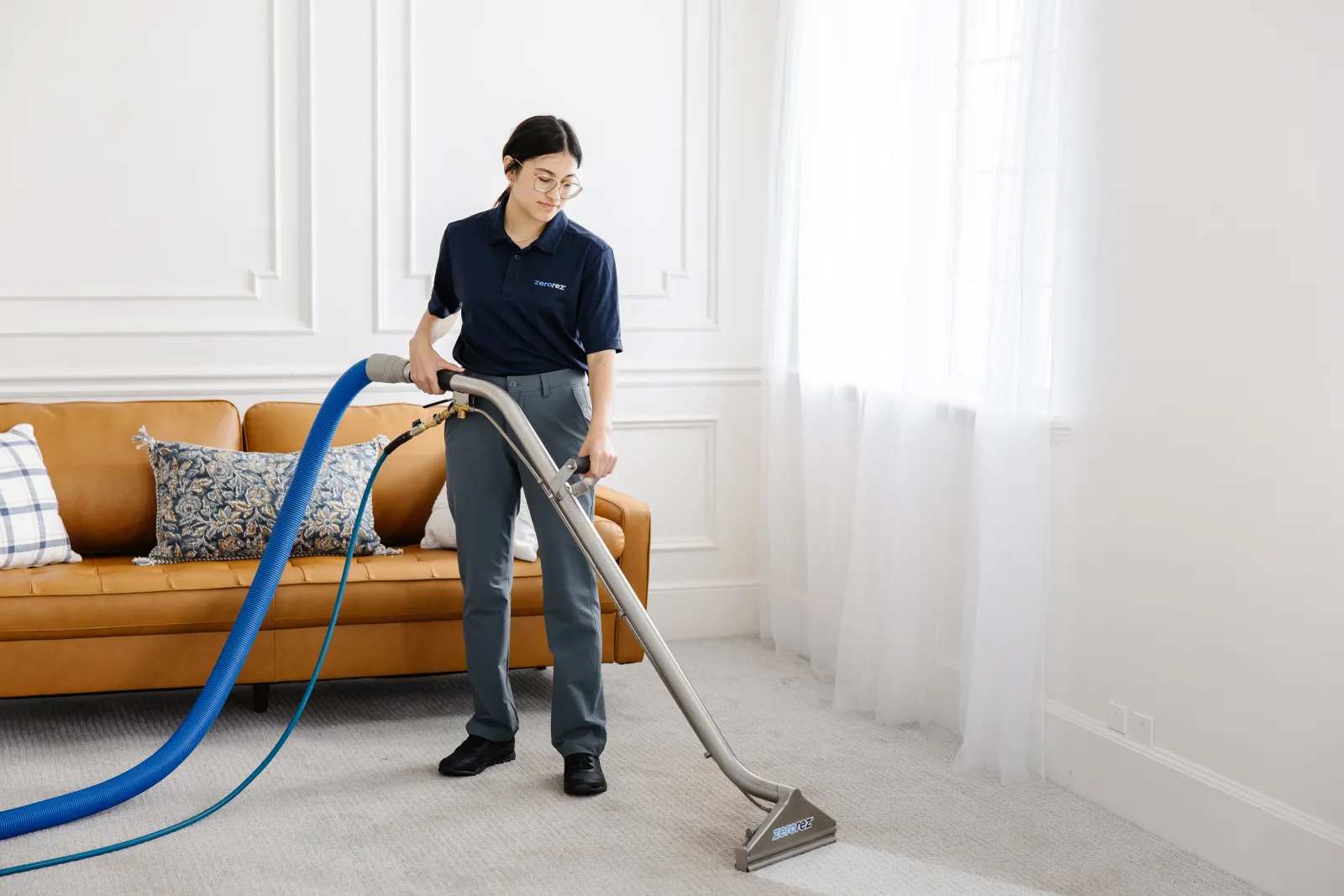
    • Steam cleaning carpets and upholstery
    • Detailed cleaning of high‑touch areas
    • Sanitizing shared spaces

    Since the COVID‑19 pandemic, deep cleaning and disinfection services have become standard expectations for businesses focused on health.


    Floor Care and Maintenance

    Floor care varies by surface type — carpet, tile, hardwood, or vinyl. Professional maintenance includes:

    • Scrubbing and polishing tile or vinyl floors
    • Shampooing or steam cleaning carpets
    • Refinishing hardwood floors

    Routine floor care preserves appearance and extends the life of flooring materials.


    Window and Glass Cleaning

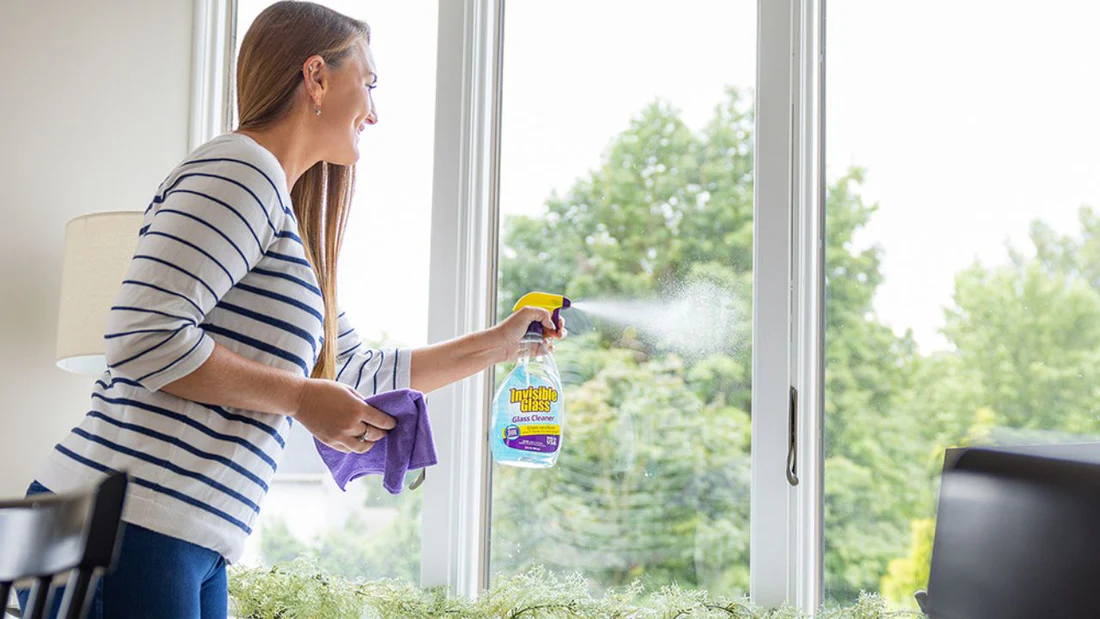
    Crystal‑clear windows enhance natural light and office aesthetics. Professional window cleaning services often include:

    • Interior and exterior window washing
    • Glass partition cleaning
    • Mirror and glass door polishing

    Expert techniques prevent streaking and protect finishes.


    Specialized Carpet Cleaning

    Offices with heavy foot traffic require tailored carpet cleaning solutions:

    • Hot water extraction
    • Dry carpet cleaning
    • Deodorizing and stain removal
    • Mold and mildew prevention

    Carpets trap dust, allergens, and dirt, so proper cleaning is vital for air quality and appearance.


    Eco‑Friendly Cleaning Solutions

    Sustainability is a growing priority. Many businesses now choose green office cleaning solutions that use:

    • Biodegradable detergents
    • Non‑toxic disinfectants
    • Recyclable microfiber cloths
    • Reduced water and energy usage

    These practices support environmental responsibility without sacrificing effectiveness.


    Choosing the Right Office Cleaning Services

    Selecting the best office cleaning provider can be challenging. Here are five tips to help you decide:

    1. Verify Certifications and Standards

    Look for companies that comply with recognized cleaning benchmarks. For example:

    • ASTM International standards for cleaning protocols
    • Green Seal certification for eco‑friendly products
    • OSHA guidelines for workplace safety

    These certifications signal professionalism and commitment to quality.


    2. Check Experience and Expertise

    A provider with years of experience serving businesses similar to yours is more likely to deliver consistent results. Ask about:

    • Industry sectors served
    • Facility sizes handled
    • Customization capabilities

    Experienced cleaners can tailor services to your unique office environment.


    3. Evaluate Cleaning Products and Tools

    High‑quality cleaning solutions require professional‑grade products and equipment. Some important tools include:

    • HEPA‑filtered vacuums
    • Commercial‑grade disinfectants
    • Microfiber cloths
    • Steam cleaners and floor buffers

    Make sure your provider uses safe and effective products.


    4. Review Insurance and Liability Coverage

    Office spaces contain equipment, electronics, and valuables. Ensure your cleaning partner carries:

    • General liability insurance
    • Workers’ compensation
    • Property damage coverage

    This protects your business in case of accidents.


    5. Ask for Transparent Pricing

    Reputable providers offer clear pricing without hidden fees. Common pricing models include:

    • Flat monthly rates
    • Per‑service charges
    • Customized quotes based on square footage

    Always request a detailed estimate before signing a contract.


    How to Maintain a Clean Office Between Professional Visits

    Even with regular professional cleaning, your employees can help keep the office tidy. Encourage:

    • Desk clutter reduction
    • Daily trash disposal
    • Frequent sanitizing of shared surfaces
    • Use of personal hygiene items like hand sanitizer

    Establishing office cleanliness guidelines helps maintain standards between professional cleanings.


    Office Cleaning Trends in 2026

    Office cleaning evolves with technology and workplace expectations. Some trends shaping the industry this year include:

    Smart Office Cleaning Technology

    Sensors and data‑driven systems help monitor high‑traffic areas and alert cleaners when disinfection is needed.

    Eco‑Conscious Operations

    Businesses prioritize sustainability with low‑impact chemicals, water‑saving methods, and recyclable supplies.

    On‑Demand Cleaning Services

    Flexible contracts allow businesses to request cleaning as needed, especially for events or unexpected situations.


    Final Thoughts

    Investing in professional office cleaning solutions is not just about aesthetics. It is about creating a healthier workforce, fostering a positive workplace culture, and upholding your professional brand. Whether you manage a small startup or a large corporate headquarters, choosing the right cleaning services yields measurable benefits in productivity, employee satisfaction, and overall business success.

    By understanding the scope of office cleaning services and how to select the right provider, you position your workplace for long‑term efficiency and well‑being.

    For best results, regularly evaluate your cleaning strategies, stay informed on industry standards, and partner with experienced professionals who align with your company values.

  • The Ultimate Guide to Move Out Cleaning: Everything You Need to Know

    The Ultimate Guide to Move Out Cleaning: Everything You Need to Know

    Whether you are a tenant preparing to hand over keys or a homeowner preparing to sell, move out cleaning is one of the most important steps in transitioning from one space to the next. A well‑executed move out clean ensures the property looks spotless, meets landlord or buyer expectations, and helps secure deposit refunds or higher resale value.

    In this comprehensive guide, we will cover what move out cleaning is, why it is important, what tasks are included, how to prepare, expert tips, and how to choose the best cleaning service.


    What Is Move Out Cleaning?

    Move out cleaning refers to a deep cleaning process performed when a tenant or homeowner is leaving a rental or owned property. Unlike standard cleaning, which focuses on everyday upkeep, move out cleaning targets deep, detail‑oriented areas that are often overlooked during regular maintenance.

    This service is usually more thorough than a general clean and often includes:

    • Deep cleaning of bathrooms and kitchens
    • Wiping down cabinets and drawers
    • Cleaning inside appliances
    • Removing scuff marks
    • Vacuuming and mopping all floors
    • Dusting every surface, including baseboards and light fixtures

    Move out cleaning can be done by the occupant, hired professionals, or a combination of both.


    Why Move Out Cleaning Matters

    1. Helps Secure Your Security Deposit

    For renters, one of the primary reasons to invest time or money in move out cleaning is to ensure the return of the security deposit. Most landlords expect a property to be returned in the same condition — minus normal wear and tear — when tenants move out. An unclean unit can lead to deductions from the deposit.

    2. Enhances Property Appeal

    For homeowners putting a property on the market, cleanliness directly influences buyer perception. A clean, well‑maintained home signals that the property has been cared for, often leading to better offers and a quicker sale.

    3. Saves Time and Reduces Stress

    Moving is stressful. From packing and coordinating logistics to handing over utilities, cleaning is just one more task to manage. Hiring professional move out cleaners can take one major responsibility off your to‑do list.


    What Does a Move Out Cleaning Checklist Include?

    A high‑quality move out cleaning should be detailed and cover every corner of the property. Below is a recommended checklist you can follow or use to evaluate cleaning services.

    Kitchen

    • Clean countertops and backsplashes
    • Wipe down cabinets inside and out
    • Clean sink, faucets, and plumbing fixtures
    • Degrease stovetop and oven (interior/exterior)
    • Clean refrigerator inside and out
    • Clean dishwasher
    • Sweep and mop floors

    Bathrooms

    • Scrub toilets, sinks, and showers
    • Clean grout and tiles
    • Remove soap scum and limescale
    • Wipe cabinets and mirrors
    • Clean exhaust fans and vents
    • Sweep and mop floors

    Bedrooms and Living Areas

    • Dust light fixtures, shelves, and baseboards
    • Clean windows (interior surfaces)
    • Vacuum carpets and rugs
    • Wash floors (hard surfaces)
    • Remove cobwebs
    • Fill nail holes (if required by landlord)

    General Areas

    • Dust ceiling fans and air vents
    • Clean doors, door frames, and handles
    • Wipe walls where possible
    • Remove trash and debris
    • Check for stains or marks on carpets and address them
    • Final walkthrough to ensure nothing is overlooked

    Move Out Cleaning vs. Regular Cleaning

    It is important to understand the difference between move out cleaning and everyday cleaning:

    FeatureRegular CleaningMove Out Cleaning
    PurposeMaintain cleanlinessDeep focus on return condition
    FrequencyWeekly or monthlyOne‑time before moving
    Detail LevelModerateHigh
    Includes Appliance CleaningSometimesAlmost always
    Includes Inside CabinetsRarelyStandard

    This difference means move out cleaning usually costs more than routine house cleaning because it requires extra time, specialized products, and a more thorough approach.


    Cost of Move Out Cleaning

    The cost of move out cleaning varies depending on the size of the property, level of cleaning required, location, and whether you hire professionals.

    Factors that influence cost include:

    • Square footage of the property
    • Number of bathrooms and kitchens
    • Carpet cleaning or floor polishing
    • Deep cleaning appliances
    • Number of cleaners dispatched

    While DIY cleaning saves money, many tenants prefer professionals for their experience and guarantee of quality results.


    How to Prepare for Move Out Cleaning

    Proper preparation can make the move out clean more efficient and effective:

    Declutter First

    Remove personal belongings, trash, furniture, and boxes before cleaners arrive. This allows them to focus on cleaning rather than moving items.

    Check Your Lease or Agreement

    Some landlords provide a move out cleaning checklist in the lease. Review it before cleaning to ensure you address all requirements.

    Take Photos

    Document the condition of the property before and after cleaning. Photos help protect you in case of disputes regarding deposit deductions.

    Communicate With Your Cleaners

    If you hire professional cleaners, communicate:

    • Special requirements (e.g., stain removal, heavy grease)
    • Areas of concern
    • Whether you want carpet shampooing

    Setting expectations ensures the job meets your standards.


    Professional Move Out Cleaning: What to Expect

    Hiring a professional move out cleaning service brings expertise and convenience. Here is what you can typically expect:

    Trained and Equipped Staff

    Professionals arrive with:

    • Professional‑grade cleaning products
    • Microfiber cloths
    • Vacuum cleaners (with HEPA filters)
    • Steam cleaners and scrubbers
    • Floor polishers (if needed)

    Guaranteed Results

    Many companies offer a satisfaction guarantee. If the landlord requests additional cleaning soon after move out, many services will return to fix the issue at no extra cost.

    Flexible Scheduling

    Professional cleaners often offer flexible scheduling — including weekends — to align with your move timeline.


    DIY Move Out Cleaning Tips

    If you choose to clean the property yourself, here are some time‑saving tips:

    Start Early

    Don’t leave all cleaning tasks until moving day. Begin a week before your move to spread out the work.

    Use the Right Tools and Products

    Invest in:

    • All‑purpose cleaners
    • Glass cleaners
    • Disinfectants
    • Degreasers
    • Floor cleaners specific to your surface type

    Work Room by Room

    Focus on one room at a time to avoid overwhelm. Start with the most used areas like the kitchen and bathrooms.

    Don’t Forget the Details

    Small tasks — like wiping baseboards, cleaning vents, and polishing fixtures — make a big difference in the final inspection.


    Common Mistakes to Avoid

    • Skipping appliance interiors: Dirty ovens and refrigerators are a common reason for deposit deductions.
    • Ignoring baseboards and vents: These areas accumulate dust and are often checked by landlords.
    • Not vacuuming before mopping: Vacuum first to avoid spreading dust and debris into the floor cleaner.
    • Rushing: A rushed job misses spots and may require re‑cleaning.

    Final Thoughts

    Whether you choose to clean yourself or hire professionals, a thorough move out cleaning is essential for a successful transition. Investing in quality cleaning boosts the appeal of the property, helps you meet landlord expectations, and increases the likelihood of receiving your full security deposit back.

    If you decide to take the professional route, research cleaning providers, check reviews, and compare quotes to ensure you receive the best service for your needs.

  • The Ultimate House Cleaning Checklist: Your Complete Guide for a Spotless Home

    The Ultimate House Cleaning Checklist: Your Complete Guide for a Spotless Home

    Keeping a clean home not only makes your living space more inviting but also supports your health, comfort, and overall well‑being. Whether you’re a busy professional, parent, homeowner, or renter, a house cleaning checklist helps streamline everyday chores, deep cleaning tasks, and seasonal maintenance. In this guide, you’ll find a complete cleaning checklist tailored to every room in your home, plus tips, frequency recommendations, and expert tricks to make cleaning more efficient.


    Why You Need a House Cleaning Checklist

    house cleaning checklist is more than just a list of chores — it’s a roadmap for maintaining cleanliness and organization in every part of your home. With a detailed checklist you:

    • Never miss key tasks.
    • Save time with structured routines.
    • Prioritize deep cleaning tasks.
    • Create consistency for weekly or monthly cleaning.
    • Reduce stress by breaking chores into manageable steps.

    Investing time to build and follow a cleaning checklist improves hygiene and protects surfaces, upholstery, carpets, and fixtures from long‑term damage. It also makes routines easier if you share chores with roommates, family members, or professional cleaning help.


    How to Use This Cleaning Checklist

    Before we begin, keep these tips in mind:

    • Print or save this checklist on your device.
    • Divide tasks by frequency — daily, weekly, monthly, and seasonal.
    • Use checkboxes to stay organized.
    • Customize this list based on your home layout and lifestyle.
    • Consider delegating tasks if you have a family or cleaning service.

    Daily Cleaning Checklist (Every Day)

    Daily tasks prevent clutter and maintain a baseline of cleanliness throughout your home. Here’s what to include in your daily house cleaning checklist:

    Kitchen

    • Wash dishes or load the dishwasher.
    • Wipe down countertops, stovetop, and sink.
    • Sweep or vacuum floor.
    • Take out trash and recycling.
    • Wipe cabinet handles and appliance surfaces.

    Bathrooms

    • Wipe bathroom sinks and faucets.
    • Clean toilet seats and wipe exterior.
    • Replace towels with clean ones if needed.
    • Empty trash bins.
    • Wipe counter surfaces and mirrors.

    Living Spaces & Bedrooms

    • Make beds and straighten bedding.
    • Pick up clutter — toys, laundry, shoes.
    • Dust high‑traffic surfaces.
    • Vacuum or sweep common areas.
    • Fluff cushions and arrange pillows.

    Daily cleaning might seem basic, but these small tasks keep your home looking presentable and reduce the need for long cleaning sessions.


    Weekly Cleaning Checklist

    Weekly tasks dig deeper into your house cleaning routine and are essential for hygiene and freshness.

    Kitchen

    • Clean inside the microwave.
    • Wipe down refrigerator shelves.
    • Mop kitchen floors.
    • Sanitize trash bin interior.
    • Clean small appliances (coffee maker, toaster).

    Bathrooms

    • Scrub shower/tub and shower doors.
    • Deep‑clean toilet bowls.
    • Wipe tiles and grout lines.
    • Mop bathroom floors.
    • Disinfect light switches and outlet covers.

    Bedrooms

    • Change bed linens and pillow covers.
    • Dust furniture and shelves.
    • Vacuum carpets and rugs thoroughly.
    • Clean mirrors and windows.
    • Organize wardrobes / closets.

    Living Room & Common Areas

    • Dust electronics, TV screens, and decor.
    • Vacuum sofas and chairs (use attachments).
    • Wipe down baseboards and door frames.
    • Spot clean walls and doors.
    • Sweep or mop hard floors.

    Monthly Cleaning Checklist

    Monthly tasks help you stay on top of less obvious areas that can collect dust, grime, and allergens.

    Whole House

    • Dust ceiling fan blades.
    • Clean or replace HVAC filters.
    • Dust air vents and return grills.
    • Wash windows inside and outside (if safe).
    • Clean light fixtures and lampshades.
    • Wipe walls and high‑touch surfaces.

    Kitchen

    • Deep‑clean oven interior.
    • Defrost freezer if necessary.
    • Clean dishwasher filter and wipe door seals.
    • Sanitize pantry shelves and organize food items.
    • Wipe cabinet fronts thoroughly.

    Bathrooms

    • Clean grout lines with a specialized cleaning solution.
    • Wash bathroom rugs and shower curtains.
    • Disinfect toothbrush holders and soap dishes.
    • Polish chrome fixtures.

    Bedrooms

    • Vacuum under the bed and furniture.
    • Rotate or flip mattresses if recommended.
    • Clean window tracks and sills.
    • Declutter dressers and nightstands.

    Seasonal Cleaning Checklist

    Seasonal tasks are larger, less frequent projects that keep your home well‑maintained throughout the year. Aim to complete these tasks at least once every three months.

    Spring Cleaning

    • Wash walls, doors, and moldings.
    • Deep‑clean carpets and rugs (steam clean).
    • Clean behind appliances.
    • Declutter storage areas (attic, garage, basement).
    • Clean outdoor spaces — patios, grills, windows.

    Summer Refresh

    • Clean outdoor furniture and cushions.
    • Power wash exterior walkways and siding.
    • Wash window screens.
    • Clean and organize the pantry for bulk summer items.
    • Dust air conditioning vents.

    Fall Deep Cleaning

    • Clean gutters and downspouts.
    • Seal gaps around doors and windows.
    • Vacuum and clean fireplace or wood stove.
    • Deep clean carpets before holidays.
    • Store summer items and seasonal gear.

    Winter Maintenance

    • Wash throw blankets and heavy curtains.
    • Clean holiday decor before storing.
    • Inspect and maintain heating systems.
    • Deep sanitize high‑touch areas.
    • Organize closets and donate unused items.

    Room‑by‑Room Cleaning Checklist

    For detailed cleaning tasks, break down your home into individual rooms and focus on specific areas. These room housekeeping checklists help ensure no area is overlooked.

    Kitchen Cleaning Tasks

    • Clear and wipe countertops.
    • Clean sink and polish faucets.
    • Wipe exterior of refrigerator, oven, dishwasher.
    • Empty crumb trays in toaster and range hood.
    • Sanitize countertops after food prep.
    • Sweep and mop floors.
    • Clean cabinet interiors and remove expired food.
    • Disinfect light switches and handles.

    Bathroom Cleaning Tasks

    • Spray shower/tub with disinfectant.
    • Clean and scrub tile grout.
    • Wipe vanity mirrors.
    • Clean toothbrush holders and soap dishes.
    • Sweep and mop floors.
    • Disinfect toilet seat and base.
    • Refill toilet paper and toiletries.

    Living Room Cleaning Tasks

    • Dust bookshelves and tables.
    • Vacuum upholstered furniture.
    • Clean under couch cushions.
    • Wipe remote controls and electronics.
    • Clean decorative items and picture frames.
    • Sweep or vacuum floor.

    Bedroom Cleaning Tasks

    • Change bed sheets and pillowcases.
    • Dust bedside tables and lamps.
    • Clean under furniture and behind dressers.
    • Vacuum carpets and rugs.
    • Organize closets and drawers.
    • Clean mirrors and windows.

    Green Cleaning Tips

    Using non‑toxic and eco‑friendly products not only protects your family but also reduces chemical exposure. Here are some green cleaning ideas:

    • Use white vinegar to clean windows and glass.
    • Mix baking soda and water for natural scrubbing paste.
    • Use essential oils like lemon for fresh scent.
    • Replace disposable wipes with reusable microfiber cloths.
    • Choose plant‑based cleaning products.

    Hiring Professional Cleaning Help

    If your schedule is busy, you may consider hiring professional cleaning services. A professional cleaner can follow a customized house cleaning checklist based on your home size, frequency needs, and budget. When choosing a service, look for:

    • Licensed and insured cleaning company.
    • Positive customer reviews.
    • Customizable cleaning plans.
    • Eco‑friendly product options.
    • Satisfaction guarantees.

    Professionals can handle deep cleaning, move‑in/move‑out cleaning, post‑construction cleanup, and regular maintenance.


    Final House Cleaning Checklist: Printable Summary

    Below is a simplified version of your complete home cleaning checklist you can print or save:

    Daily

    • Wash dishes
    • Wipe counters
    • Sweep floors
    • Make beds
    • Tidy clutter

    Weekly

    • Clean bathrooms
    • Mop floors
    • Vacuum carpets
    • Dust surfaces
    • Change linens

    Monthly

    • Clean appliances
    • Wash windows
    • Change filters
    • Dust vents
    • Deep scrub tiles

    Seasonal

    • Window screens
    • Exterior cleaning
    • Declutter storage
    • HVAC maintenance
    • Carpet deep clean

    Conclusion

    A complete house cleaning checklist helps you systematize chores, stay organized, and maintain a cleaner, more comfortable home. With daily, weekly, monthly, and seasonal tasks clearly outlined, you’ll know exactly what needs to be done and when. Whether you clean solo, with family help, or with professional cleaners, this cleaning checklist supports a healthier living environment and a beautifully maintained home.

  • Ultimate Guide to Eco Friendly Cleaning: Healthier Homes and a Greener Planet

    Ultimate Guide to Eco Friendly Cleaning: Healthier Homes and a Greener Planet

    Eco friendly cleaning has moved from a niche lifestyle choice to a mainstream approach that benefits both your home and the environment. As more people become conscious of the impact household products have on health and the planet, eco‑friendly cleaning solutions are now essential for every sustainable household. Whether you’re looking to reduce chemical exposure, safeguard your family’s health, or minimize environmental harm, this comprehensive guide explores everything you need to know about eco friendly cleaning — from what it means to go green, to actionable tips, product selection, and DIY methods.

    What Is Eco Friendly Cleaning?

    Eco friendly cleaning refers to cleaning practices and products designed to minimize negative impacts on both human health and the environment. Unlike traditional cleaning products that often contain harsh chemicals like ammonia, chlorine, and synthetic fragrances, eco‑friendly cleaners use natural, plant‑based, biodegradable ingredients that break down safely after use. These eco‑friendly products reduce water pollution, improve indoor air quality, and protect ecosystems from harmful toxins.

    Eco friendly cleaning also includes adopting sustainable habits, reducing waste by using reusable tools, and opting for packaging that can be recycled or refilled. The goal is not just cleanliness, but doing so in a way that supports long‑term environmental health.

    Why Choose Eco Friendly Cleaning?

    Health Benefits

    One of the biggest advantages of eco friendly cleaning is improved health and safety. Conventional cleaning products often release volatile organic compounds (VOCs) and other toxic chemicals into the air, which can trigger respiratory issues, skin irritation, headaches, and long‑term health concerns. Eco‑friendly cleaning products, on the other hand, typically avoid these harmful chemicals, making them safer for children, pets, and individuals with allergies or sensitivities.

    Because eco‑friendly cleaners are low in VOCs and other irritants, they contribute to better indoor air quality, reducing the risk of asthma, sinus issues, and other respiratory problems associated with poor indoor environments.

    Environmental Advantages

    Traditional cleaning products contribute to environmental pollution when their chemical residues enter waterways and soil. Eco‑friendly cleaning products are formulated to be biodegradable, meaning they naturally break down without harming aquatic life or ecosystems.

    Many eco‑friendly brands also use sustainable packaging — recycled, recyclable, or refillable — which significantly decreases plastic waste. Choosing concentrated formulas or products with minimal packaging further reduces your carbon footprint.

    Surface Safety

    Despite myths that “green” products are less effective, many eco‑friendly cleaning solutions are powerful and safe to use on a wide range of surfaces. Natural agents like vinegar, baking soda, lemon juice, and essential oils can effectively break down dirt, grease, and grime when used properly.

    Key Components of Eco Friendly Cleaning Products

    Understanding what makes a cleaning product eco‑friendly helps you make better purchasing decisions:

    • Plant‑based ingredients: Derived from natural sources such as citrus, coconut, or essential oils.
    • Biodegradable formulas: Designed to break down naturally without harming the ecosystem.
    • Non‑toxic compounds: Free from formaldehyde, phthalates, and harsh synthetic fragrances.
    • Sustainable packaging: Made from recycled materials or designed for refill and reuse.
    • Third‑party certifications: Look for recognized eco labels that ensure environmental safety claims are legitimate.

    Practical Eco Friendly Cleaning Tips for Every Room

    Below are room‑by‑room tips that help you reduce chemical use, cut waste, and maintain a healthy home environment.

    Kitchen

    The kitchen is one of the most frequently cleaned areas, making it ideal for integrating eco‑friendly cleaning habits:

    • All‑Purpose Spray: Mix distilled white vinegar and water in a glass spray bottle as a multi‑surface cleaner for countertops, appliances, and cabinets.
    • Microwave Refresh: Heat a bowl of water with lemon slices for a few minutes, then wipe away stuck‑on food easily.
    • Sink Care: Sprinkle baking soda, add vinegar, and scrub to eliminate odors and clean drains naturally.

    Bathroom

    Bathrooms can harbor bacteria and grime, but you don’t need harsh chemicals to clean effectively:

    • Toilets: Use a combination of vinegar and baking soda to break down stains and sanitize surfaces.
    • Showerheads: Soak in vinegar overnight to remove mineral buildup without abrasive tools.
    • Grout and Tile: A paste of baking soda and hydrogen peroxide can tackle stubborn stains without damaging grout.

    Living Rooms and Bedroom Areas

    Reducing allergens and dust in living spaces improves comfort and air quality:

    • Dusting: Use reusable microfiber or cotton cloths to trap dust rather than spreading it.
    • Carpet Freshness: Sprinkle baking soda, let it sit, then vacuum to neutralize odors.
    • Upholstery: A gentle mix of water and castile soap can clean fabric surfaces when tested on a small area first.

    Laundry

    Even laundry routines can be eco‑friendly:

    • DIY Detergents: Homemade detergents made with washing soda and castile soap reduce chemical exposure.
    • Vinegar Boost: Add a half‑cup of vinegar in the rinse cycle to soften clothes and deodorize naturally.
    • Cold Water Washing: Washing in cold water saves energy and extends fabric lifespan.

    Tools and Supplies for Sustainable Cleaning

    Making eco friendly cleaning work well also means investing in reusable and sustainable tools:

    • Reusable Cloths: Replace disposable paper towels with washable microfiber or cotton cloths.
    • Washable Mop Heads: Machine‑washable mop pads reduce disposable waste.
    • Compostable Sponges: Sponges made from bamboo or loofah can be composted at the end of life.
    • Glass Bottles: Using refillable glass bottles cuts down on plastic consumption over time.

    DIY Natural Cleaners You Can Make at Home

    DIY eco‑friendly cleaning solutions are cost‑effective and customizable:

    • All‑Purpose Cleaner: Mix equal parts water and white vinegar in a spray bottle.
    • Baking Soda Scrub: Combine baking soda with a small amount of water to make a mild, abrasive cleaner for tough spots.
    • Citrus Cleaning Spray: Add lemon or orange peels to vinegar and let infuse for a week for a pleasantly scented cleaner.
    • Essential Oil Boost: Add a few drops of tea tree, lavender, or lemon essential oil for natural antibacterial properties and fresh aroma.

    Common Myths and Misconceptions

    Many people hesitate to fully switch to eco‑friendly cleaning due to misconceptions:

    Myth: Eco‑friendly products are less effective.
    Truth: Natural ingredients like vinegar, baking soda, and plant‑derived enzymes can be just as powerful when used correctly — often paired with elbow grease and the right technique.

    Myth: Green products are always expensive.
    Truth: DIY solutions and concentrated products often save money over time, especially when combined with reusable tools.

    Final Thoughts on Eco Friendly Cleaning

    Embracing eco friendly cleaning isn’t just about swapping products; it’s a lifestyle choice that promotes healthier living and long‑term sustainability. From reducing harmful chemical exposure to protecting the environment through biodegradable formulas and recyclable packaging, eco‑friendly cleaning offers substantial benefits for homes and the planet alike. Whether you’re just starting or looking to deepen your green cleaning habits, incorporating natural ingredients, mindful tools, and thoughtful practices will make your spaces cleaner, safer, and truly eco‑friendly.

  • The Ultimate Guide to Sofa Cleaning Services: Why Professional Upholstery Cleaning Matters

    The Ultimate Guide to Sofa Cleaning Services: Why Professional Upholstery Cleaning Matters

    When it comes to maintaining a clean, healthy, and attractive home, one area that often gets overlooked is the sofa. Your sofa is more than just a place to sit — it’s where your family relaxes, pets lounge, guests gather, and life happens. Over time, dust, stains, allergens, and bacteria build up in the fabric and padding, diminishing both appearance and indoor air quality. That is where sofa cleaning services step in.

    In this guide, we will explore everything you need to know about professional sofa cleaning, including its benefits, techniques, frequency, costs, and how to choose the best service provider to keep your upholstery fresh and long‑lasting.


    What Are Sofa Cleaning Services?

    Sofa cleaning services refer to professional solutions designed to deep‑clean upholstered furniture, especially sofas, couches, and loveseats. These services often include:

    • Inspection and fabric testing – assessing material and stains.
    • Vacuuming and debris removal – eliminating surface particles.
    • Pre‑treatment of stains – targeting specific marks like coffee or wine.
    • Hot water extraction – deep cleaning with steam or shampooing.
    • Deodorizing and sanitization – removing odor and bacteria.
    • Drying and finishing touches – ensuring upholstery is ready for use.

    Trained technicians use specialized machines and eco‑friendly cleaning agents that are safe for both fabric and home environments.


    Why Professional Sofa Cleaning Is Important

    1. Improves Indoor Air Quality

    The fabric of your sofa acts like a filter, trapping dust mites, pollen, pet dander, and even smoke particles. Over time, these contaminants settle deep into the upholstery. Regular sofa cleaning services help remove trapped pollutants and improve the overall air quality in your home.

    2. Eliminates Tough Stains and Odors

    Simple home cleaning supplies are often ineffective against persistent stains like red wine, ink, or oil. Professional cleaners use industrial‑grade stain removers and techniques such as steam cleaning and hot water extraction that penetrate deep into the fiber without damaging it.

    3. Extends the Life of Your Sofa

    A well‑maintained sofa lasts significantly longer. Dirt particles act like sandpaper, breaking down fabric fibers over time. Professional cleaning eliminates these particles and prevents premature wear and tear, protecting your investment.

    4. Healthier Living Space

    Allergens and microbes in neglected upholstery can trigger allergies, asthma, or other respiratory problems. Professional sofa cleaning often includes deodorization and sanitization treatments, creating a healthier living area for children and adults alike.

    5. Enhances Home Aesthetics

    A clean sofa instantly elevates the look of your room. Whether you have a fabric, microfiber, leather, or velvet sofa, a thorough cleaning can restore original colors and textures, making your space more welcoming and visually appealing.


    Common Sofa Materials and Cleaning Approaches

    Different sofa materials require distinct cleaning methods. Here’s how professional sofa cleaning services typically address popular upholstery types:

    Fabric Sofas

    Fabric sofas are common but also prone to stains and odor absorption. Experts use:

    • Pre‑vacuuming to remove surface dust.
    • Stain‑specific treatment for wine, food spills, or pet accidents.
    • Steam cleaning or hot water extraction to deep‑clean fabric fibers.
    • Deodorizing agents to neutralize odors.

    Leather Sofas

    Leather requires gentle handling to avoid drying and cracking. Professional services:

    • Use pH‑balanced leather cleaners.
    • Apply conditioners to maintain softness.
    • Avoid excessive moisture to protect leather integrity.

    Microfiber Sofas

    Microfiber furniture is durable but attracts grime due to static. Effective cleaning includes:

    • Brushing to release embedded dirt.
    • Water‑based cleaning solutions specific for microfiber.
    • Quick drying to preserve texture.

    Velvet or Suede Sofas

    Delicate materials such as velvet or suede require:

    • Minimal moisture techniques.
    • Specialty tools for fluffing and lifting the fabric pile.
    • Gentle stain removal without abrasion.

    How Often Should You Schedule Sofa Cleaning?

    The frequency of professional sofa cleaning depends on several factors including usage, household size, pets, and allergies. Here are general recommendations:

    • Every 6 to 12 months for most households.
    • Every 3 to 6 months for homes with pets and children.
    • After major spills or stains whenever they occur.
    • Before special events if hosting guests.

    Regular cleaning not only maintains appearance but also prevents deep‑seated bacteria and pest infestations.


    What to Expect During a Professional Sofa Cleaning Appointment

    Understanding the typical process helps you prepare for the service and get the best outcome.

    Step 1: Fabric Assessment

    Technicians thoroughly inspect the sofa to determine fabric type, stain categories, and overall condition. This step ensures the right cleaning agents and methods are chosen.

    Step 2: Pre‑Clean Vacuuming

    A strong vacuum cleaner is used to remove dust, crumbs, and loose particles from the surface and crevices.

    Step 3: Pre‑Treatment

    Stains and high‑traffic areas are treated with special solutions to loosen dirt before deep cleaning.

    Step 4: Deep Cleaning

    The technician uses a professional machine — often hot water extraction — to clean deep inside fibers. This step removes deep‑seated dirt and bacteria.

    Step 5: Drying and Finishing

    After cleaning, the sofa is dried using controlled airflow to prevent moisture buildup and mildew. A final inspection ensures quality results.


    Cost of Sofa Cleaning Services

    Costs can vary widely based on region, sofa size, fabric type, and severity of stains. Typical pricing factors include:

    • Number of seats (e.g., two‑seater vs. three‑seater).
    • Material type (leather may cost more).
    • Stain removal complexity.
    • Add‑on services such as deodorizing or protective coating.

    On average, most professional sofa cleaning services charge per seat or per square foot. Many companies also offer package deals for multiple upholstered items.


    DIY Sofa Cleaning Tips Between Professional Visits

    While professional services are critical, you can maintain your sofa between appointments with these tips:

    • Vacuum weekly with an upholstery attachment.
    • Blot small spills immediately with a clean cloth.
    • Avoid harsh chemical cleaners that may damage fabric.
    • Flip cushions regularly to evenly distribute wear.

    Although DIY methods help, they cannot replace deep cleaning from trained technicians.


    How to Choose the Right Sofa Cleaning Service

    Selecting the right professional service impacts results and customer experience. Consider these factors:

    Experience and Reputation

    Look for companies with a proven track record and positive customer reviews. Trusted cleaners often have years of experience handling diverse upholstery.

    Certifications and Training

    Certified technicians from reputable organizations understand best practices in upholstery care. Specialized training is a strong indicator of quality.

    Eco‑Friendly Solutions

    Modern homeowners prefer services that use non‑toxic, biodegradable solutions safe for families and pets.

    Transparent Pricing

    Choose a service with clear pricing, detailed quotes, and no hidden charges. Some companies even offer on‑site estimates.

    Satisfaction Guarantee

    A reliable provider offers warranties or satisfaction guarantees to assure you of quality results.


    Final Thoughts

    Investing in professional sofa cleaning services is one of the most effective ways to preserve your home’s comfort, appearance, and hygiene. From eliminating deep‑seated stains to improving indoor air quality and prolonging furniture life, professional cleaning delivers benefits that extend far beyond surface cleanliness.

    Whether you are preparing for a special event, combating allergens, or simply want to enjoy a refreshed living space, scheduling regular sofa cleaning helps protect both your family’s health and your home investment.

    If you’re ready to experience the difference professional cleaning makes, look for reputable local sofa cleaning specialists with strong reviews, certified techniques, and customer‑oriented service.

  • Window Cleaning Experts: The Ultimate Guide to Spotless, Streak‑Free Windows

    Window Cleaning Experts: The Ultimate Guide to Spotless, Streak‑Free Windows

    Clean, clear windows make a powerful first impression. Whether for a home, office, or commercial property, crystal‑clear glass enhances natural light, boosts curb appeal, and creates a more professional environment. Finding reliable window cleaning experts can transform your space without the stress, safety concerns, or time commitment of DIY cleaning. This comprehensive guide explains what professional window cleaning includes, why it matters, how experts do it, and how to choose the right service for your property.

    What Does “Window Cleaning Experts” Actually Mean?

    When people search for window cleaning experts, they are usually looking for professionals with:

    • Years of hands‑on experience cleaning all types of windows
    • Knowledge of advanced cleaning techniques
    • Professional‑grade equipment
    • Licensed and insured services
    • Consistent and high‑quality results

    Window cleaning experts focus on more than just removing visible dirt. They understand how to address built‑up grime, hard water staining, paint overspray, and environmental buildup in ways that protect glass, frames, and surrounding surfaces.

    Search engines reward comprehensive, relevant content. Throughout this article you will find high‑value information that not only explains the importance of hiring window cleaning experts but also helps users understand the value and best practices surrounding professional window cleaning.

    Why Professional Window Cleaning Matters

    1. Enhanced Curb Appeal and Property Value

    Dirty windows can make even well‑maintained properties look neglected. Clean windows give homes, offices, and commercial buildings a polished, inviting appearance. Whether you’re selling a home or attracting customers to a business, professional window cleaning can help create the right impression.

    2. Increased Natural Light and Improved Mood

    Natural light plays a crucial role in comfort and productivity. Cloudy or streaked windows reduce the amount of daylight entering a space. Window cleaning experts know how to eliminate smudges, mineral deposits, and streaks that block sunlight, resulting in brighter, more uplifting interiors.

    3. Extends Window Lifespan

    Over time, environmental debris (like bird droppings, pollen, and pollutants) can etch into glass and deteriorate window seals and frames. Regular cleaning by experienced professionals can extend the functional life of your windows and reduce the need for costly replacements.

    4. Safety First

    Cleaning windows, especially at height, poses inherent risks. Without proper safety equipment and training, accidents can happen. Window cleaning experts are trained in safety best practices and carry liability insurance, minimizing the risk of injury or property damage.

    What Services Do Window Cleaning Experts Provide?

    Professional window cleaning services are not one‑size‑fits‑all. The scope can vary depending on property type and customer needs. Below are the most common services offered by reputable experts.

    Basic Residential Window Cleaning

    This typically includes:

    • Inside and outside glass cleaning
    • Removal of dust, fingerprints, and smudges
    • Frame and sill wiping
    • Drying and polishing

    For homeowners, basic window cleaning refreshes your living space without the hassle.

    Commercial Window Cleaning

    Commercial properties often require more advanced solutions, including:

    • High‑reach window cleaning
    • Hard water stain removal
    • Screen and track cleaning
    • Glass restoration services

    Businesses benefit from scheduled maintenance programs that keep all windows consistently clean without disrupting operations.

    High‑Rise and Specialty Window Cleaning

    Large buildings, high‑rises, and structures with difficult‑to‑reach windows require specialized equipment such as rope access systems, water‑fed poles, or aerial platforms. Only trained window cleaning experts should perform these services because of the complexity and safety risks.

    Screen, Track, and Frame Cleaning

    Many property owners overlook screens, tracks, and frames, but accumulated dirt and debris can compromise window operation. Professional cleaners include these areas in their service for thorough results.

    Glass Restoration and Hard Water Stain Removal

    Hard water deposits can leave chalky, cloudy film that normal cleaning won’t remove. Window cleaning experts use safe, industry‑approved products and techniques to restore clarity without damaging glass.

    How Window Cleaning Experts Work: Tools and Techniques

    Professional window cleaners use a range of tools and systems designed for efficiency, safety, and streak‑free results.

    Water‑Fed Poles

    Water‑fed poles use purified water to clean glass without detergents. The purified water eliminates minerals that cause streaks. Poles can reach up to several stories high, allowing cleaning from the ground without ladders or lifts.

    Squeegees and Professional Cleaning Solutions

    Traditional squeegees paired with high‑quality cleaning agents are standard tools among window cleaning experts. Proper technique is crucial—professionals use precise angles to ensure thorough removal of water and residue.

    Safety Harnesses and Equipment

    For elevated jobs, safety harnesses and fall protection gear are essential. Experts are trained to use this equipment correctly to protect themselves and your property.

    Ladders, Lift Systems, and Rope Access

    Depending on the property, professionals use sturdy ladders, mechanical lifts, or rope access systems. These tools enhance reach and efficiency while maintaining safety.

    How Often Should You Hire Window Cleaning Experts?

    The answer depends on property type, location, and personal preferences:

    • Residential properties: Every 3–6 months
    • Commercial buildings: Monthly, quarterly, or on a custom maintenance schedule
    • Coastal or high‑pollution areas: More frequent service due to faster buildup
    • After construction or renovation: Immediate deep cleaning recommended

    A professional assessment can help determine the best schedule based on your unique situation and budget.

    Choosing the Right Window Cleaning Experts

    Finding the best professionals requires careful consideration. Here are key factors to evaluate when choosing a service:

    Certification and Experience

    Look for teams with documented training and experience. Experienced window cleaning experts are more likely to deliver consistent, high‑quality results.

    Licensing and Insurance

    Always choose cleaners who are fully licensed and insured. This protects you and them in case of accidents or damage.

    Reviews and Testimonials

    Customer reviews are a strong indicator of reliability. Check online ratings, testimonials, and before‑and‑after photos if available.

    Service Offerings

    Ensure the company provides all the services you need, especially if you require specialty cleaning like hard water stain removal or high‑rise window cleaning.

    Transparent Pricing

    Reputable professionals provide clear, upfront pricing with no hidden fees. Avoid companies that refuse to provide quotes or estimates.

    Frequently Asked Questions About Window Cleaning

    What makes professional window cleaning better than DIY?

    Professionals use high‑grade equipment, advanced cleaning solutions, and safe techniques that are difficult to replicate with household supplies. They also save time and eliminate safety risks.

    Can professional cleaners remove hard water stains?

    Yes, experienced window cleaning experts have specialized tools and products to safely remove hard water deposits without scratching glass.

    Is window cleaning necessary in rainy climates?

    Yes. Dirt and pollutants still cling to windows after rain. Professional cleaning keeps glass clear and prevents buildup from becoming permanent.

    How much does professional window cleaning cost?

    Costs vary based on location, property size, frequency, and type of service. Generally, pricing is based on a per‑window, per‑frame, or per‑hour model. Request a quote for accurate pricing.

    Conclusion: Why Investing in Window Cleaning Experts Pays Off

    Hiring window cleaning experts offers far more than just visually appealing glass. It enhances property value, improves natural light, boosts overall cleanliness, and ensures safety. By choosing trained professionals with the right tools, experience, and transparent pricing, you’ll enjoy long‑lasting, streak‑free results that DIY efforts rarely achieve.

    Whether you need routine cleaning for your home or complex services for a commercial property, finding the right window cleaning service makes all the difference. Quality, reliability, and professionalism should be your top priorities when selecting a provider.

  • Ultimate Guide to Carpet Cleaning Methods (2026 Edition)

    Ultimate Guide to Carpet Cleaning Methods (2026 Edition)

    Maintaining clean carpets is essential for a healthy, attractive home or business environment. Carpets accumulate dirt, allergens, stains, and odors over time, which can affect indoor air quality and overall appearance. Choosing the right carpet cleaning method can make all the difference in prolonging carpet life, preserving color and texture, and ensuring effective removal of contaminants.

    In this comprehensive guide, we will explore the most popular and effective carpet cleaning methods, explain how each one works, highlight the advantages and disadvantages, and offer practical tips for homeowners and facility managers. Whether you’re dealing with pet stains, high‑traffic areas, or deep‑set soil, this guide will help you make informed decisions.


    Why Carpet Cleaning Matters

    Carpet cleaning is more than just aesthetics. Dirty carpets can harbor allergens, dust mites, mold spores, and bacteria. Over time, these contaminants circulate in the air, potentially triggering respiratory issues for sensitive individuals. Regular professional cleaning and proper maintenance:

    • Improves indoor air quality
    • Extends carpet lifespan
    • Prevents fiber breakdown
    • Enhances appearance and feel
    • Removes stubborn stains and odors

    Search engines increasingly prefer content that delivers real value, so understanding the why before diving into the how builds credibility and helps readers stay engaged.


    Major Carpet Cleaning Methods Explained

    Carpet cleaning methods vary in technique, equipment, cost, and results. Below are the most widely used and recommended techniques by industry professionals.

    1. Hot Water Extraction (Steam Cleaning)

    Hot Water Extraction, commonly known as Steam Cleaning, is often considered the most thorough carpet cleaning method. Despite the name, it does not use steam in the traditional sense; instead, it uses high‑pressure heated water and cleaning solutions.

    How It Works

    1. Pre‑inspection of carpet and fibers
    2. Application of cleaning solution to loosen dirt
    3. High‑pressure extraction of water and soil
    4. Grooming and drying

    Pros

    • Deep penetration into carpet fibers
    • Excellent for removing embedded dirt and allergens
    • Recommended by most carpet manufacturers

    Cons

    • Longer drying time than some methods
    • Requires professional equipment for best results

    Hot Water Extraction is especially effective in homes with children or pets and in commercial spaces where heavy foot traffic is common.


    2. Dry Carpet Cleaning

    Dry Carpet Cleaning, also called Low‑Moisture Cleaning, uses specialized machines, absorbent compounds, or encapsulation products to clean carpets without excessive water.

    Common Dry Cleaning Techniques

    • Absorbent Compound Cleaning
    • Encapsulation
    • Dry Foam Cleaning

    Each technique involves spreading cleaning agents that bind to dirt and are later vacuumed up.

    Advantages

    • Fast drying time (often ready to walk on immediately)
    • Ideal for sensitive environments like offices or hotels
    • Less risk of mold or mildew

    Disadvantages

    • May not clean as deeply as hot water extraction
    • Some compounds can leave residue

    Dry carpet cleaning is excellent for regular maintenance or quick turnaround situations.


    3. Shampooing

    Carpet Shampooing is a traditional method that uses a foamy chemical applied with a machine to agitate and clean carpet fibers.

    Process Overview

    1. Apply shampoo foam evenly
    2. Brush or agitate to work into fibers
    3. Vacuum once dry

    Benefits

    • Effective for heavily soiled carpets
    • Affordable compared to some deep‑cleaning methods

    Drawbacks

    • Longer drying times
    • Potential for sticky residue if not rinsed properly

    Shampooing can be helpful in older homes or spaces that haven’t been cleaned regularly.


    4. Bonnet Cleaning

    Bonnet Cleaning is a surface cleaning method commonly used in commercial settings such as offices, hotels, and large buildings.

    What It Involves

    A rotary machine with a spinning pad (the “bonnet”) and cleaning solution is used to absorb dirt from the carpet surface.

    Advantages

    • Quick and cost‑effective
    • Ideal for light soil
    • Low‑moisture process

    Limitations

    • Does not extract deep‑down dirt
    • Not suitable for heavy stains or deep cleaning

    Bonnet cleaning is a popular choice for routine maintenance between deep cleanings.


    Carpet Cleaning Methods Comparison

    Below is a quick comparison to help you choose the best approach:

    MethodDrying TimeDeep CleaningBest ForCost Level
    Hot Water Extraction6–12 hrsExcellentDeep stains, allergensMid–High
    Dry Carpet Cleaning<1 hrModerateQuick turnaroundMid
    Shampooing8–24 hrsModerateHeavy soilingLow–Mid
    Bonnet Cleaning<1 hrSurface OnlyCommercial routine careLow

    When to Choose Each Carpet Cleaning Method

    The best carpet cleaning method depends on your goals, carpet type, and usage patterns.

    For Homes with Pets

    Hot Water Extraction is typically the best choice because it thoroughly removes odor and allergens that pets leave behind.

    For Office Spaces

    Dry cleaning and bonnet cleaning are effective options due to minimal drying times and quick return‑to‑service.

    For Deep Stains and Heavy Soil

    Hot Water Extraction and Shampooing can break down stubborn dirt more effectively than surface‑only methods.

    For Regular Maintenance

    Dry carpet cleaning is cost‑effective and keeps carpets looking refreshed between deeper cleanings.


    Tips for Better Carpet Cleaning Results

    No matter which cleaning method you choose, follow these best practices:

    • Vacuum regularly to reduce dirt build‑up
    • Pre‑treat stains promptly
    • Follow manufacturer recommendations
    • Test new cleaning products in hidden areas
    • Hire certified technicians when possible

    Selecting the right carpet cleaning method also helps maintain manufacturer warranties, especially for high‑end or delicate carpet fibers.


    Frequently Asked Questions (FAQs)

    How often should carpets be professionally cleaned?

    Most professionals recommend carpet cleaning at least once every 12–18 months, but high‑traffic areas or pet homes may need cleaning every 6–12 months.

    Can carpet cleaning remove all stains?

    While many stains can be effectively treated, set‑in stains may require multiple treatments or specialized solutions.

    Is steam cleaning safe for all carpet types?

    Hot Water Extraction is safe for most carpets, but always verify with your carpet manufacturer to prevent damage to dyes or fibers.


    Conclusion

    Understanding the various carpet cleaning methods empowers you to choose the best option for your space. Hot Water Extraction delivers deep cleaning power, while Dry Carpet Cleaning and Bonnet Cleaning offer faster turnaround and convenience. Shampooing remains a useful option for heavy soil but requires proper care to avoid residue.

    Well‑maintained carpets contribute to a healthier indoor environment, improved aesthetics, and enhanced comfort. By selecting the right method and scheduling regular cleanings, you’ll protect your investment and enjoy fresher, cleaner floors year‑round.

  • Ultimate Bathroom Sanitizing Tips: A Complete Guide for a Clean & Healthy Home

    Ultimate Bathroom Sanitizing Tips: A Complete Guide for a Clean & Healthy Home

    Maintaining a clean bathroom is essential for a healthy home. Bathrooms are one of the most frequently used rooms in any household, and they can harbor a wide range of bacteria, viruses, and mold if not cleaned properly. This detailed guide will walk you through the best bathroom sanitizing tips, including step‑by‑step strategies, professional recommendations, and product suggestions to help you keep your space spotless and safe.


    Why Bathroom Sanitization Matters

    Bathrooms naturally accumulate moisture and organic matter, making them ideal environments for the growth of germs. According to the Centers for Disease Control and Prevention (CDC), regular sanitization of high‑touch surfaces significantly reduces the spread of infectious pathogens in homes. Proper cleaning and sanitizing also help prevent unpleasant odors, discoloration, mildew, and damage to bathroom fixtures.

    Sanitizing goes beyond simple cleaning. While cleaning removes visible dirt and grime, sanitizing reduces the number of microbes on a surface to a safe level. This article focuses on effective methods that combine both cleaning and sanitizing for optimal bathroom hygiene.


    Tools & Supplies You’ll Need

    Before you start sanitizing, gather the right tools and products. Using effective and reliable supplies ensures better results and saves time.

    Essential Tools

    • Microfiber cloths
    • Scrub brushes with stiff bristles
    • Spray bottles
    • Disposable gloves
    • Toilet brush
    • Bucket

    Recommended Cleaning & Sanitizing Products

    • Clorox Disinfecting Bleach – Powerful disinfectant for toilets, tubs, and tiles.
    • Lysol Clean & Fresh Multi‑Surface Cleaner – Great for sinks, counters, and hard surfaces.
    • Seventh Generation Disinfecting Bathroom Cleaner – Plant‑based option ideal for eco‑conscious households.
    • Method Bathroom Cleaner – Effective and environmentally friendly for daily use.
    • Environmental Protection Agency (EPA) approved disinfectants – Look for products on the EPA’s List N for broad‑spectrum germ killing.

    Step‑by‑Step Bathroom Sanitizing Routine

    Here’s a systematic approach to sanitizing your bathroom from top to bottom:

    1. Declutter and Prepare

    Begin by removing personal items such as toothbrushes, towels, bath mats, and toiletries. This makes it easier to clean every surface without obstruction.

    2. Dust and Sweep

    Dust light fixtures, vents, window sills, and shelves using a dry microfiber cloth. Follow with a sweep or vacuum to remove hair and loose debris from floors.

    3. Clean the Shower and Bathtub

    The shower and bathtub often hold soap scum and grime.

    Tips:

    • Spray Lysol Clean & Fresh Multi‑Surface Cleaner or Seventh Generation Disinfecting Bathroom Cleaner on the walls and floor.
    • Allow it to sit for 5–10 minutes to penetrate buildup.
    • Scrub tiles and grout lines with a stiff brush.
    • Rinse thoroughly with warm water.
    • For stubborn soap scum, a paste of baking soda and water can enhance cleaning.

    4. Sanitize Fixtures: Faucets, Handles & Showerheads

    Areas like faucet handles and shower controls are high‑touch points.

    Technique:

    • Spray an EPA‑approved disinfectant on these touches.
    • Wipe with a clean microfiber cloth.
    • Pay special attention to areas that may collect water or fingerprints.

    5. Clean and Disinfect the Toilet

    Sanitizing the toilet should be a priority given its exposure to germs.

    Routine:

    • Apply Clorox Disinfecting Bleach inside the bowl.
    • Scrub thoroughly with a toilet brush.
    • Wipe the seat, lid, handle, and exterior with a disinfectant spray.
    • Allow surfaces to air dry so the disinfectant can work effectively.

    6. Sanitize the Sink and Countertops

    Sinks and countertops come into contact with toothpaste, soap, and more.

    Method:

    • Wipe all surfaces with a disinfectant spray.
    • Pay attention to faucet handles and drain edges.
    • Rinse with clean water if using bleach‑based products to avoid residue.

    7. Floor Cleaning and Final Touches

    Floors can collect water splashes, dirt, and hair.

    Steps:

    • Mop with a disinfectant solution.
    • For tile floors, use hot water with a disinfectant cleaner.
    • Change mop water often to avoid spreading germs.

    Deep Cleaning vs Regular Sanitizing

    Understanding the difference between regular sanitizing and periodic deep cleaning helps maintain long‑term hygiene.

    Regular Sanitizing

    • Recommended once or twice a week
    • Focuses on high‑touch surfaces and visible dirt

    Deep Cleaning

    • Recommended once a month
    • Involves grout deep scrubbing, descaling showerheads, and tackling mold or mildew

    Natural Alternatives for Sanitizing

    For households looking to avoid harsh chemicals, there are natural sanitizing alternatives:

    Vinegar and Baking Soda

    • Vinegar has mild disinfectant properties.
    • Works well for tile, glass, and countertops.
    • Combine with baking soda to boost scrubbing power.

    Tea Tree Oil Solution

    • Mix water with a few drops of tea tree oil.
    • Effective against mold and mildew.
    • Ideal for shower corners and grout lines.

    Hydrogen Peroxide

    • Acts as an antiseptic and disinfectant.
    • Apply directly to surfaces, let sit for 10 minutes, then wipe.

    Note: Natural options may not be as strong as EPA‑approved disinfectants. Use them for routine cleaning, and consider stronger products for germ‑heavy areas.


    Sanitizing High‑Touch Spots You Might Miss

    Bathrooms have many spots that are often overlooked:

    • Light switches
    • Door handles
    • Hairbrushes and combs
    • Trash can lids
    • Toothbrush holders

    Use disinfectant wipes or sprays to clean these regularly.


    Preventing Mold and Mildew

    Mold thrives in humidity. The following habits reduce mold growth:

    • Use exhaust fans during and after showers.
    • Wipe wet surfaces after use.
    • Wash shower curtains and mats frequently.
    • Address leaks promptly.

    Safety Tips When Sanitizing

    Follow these safety measures to protect your health:

    • Wear gloves to avoid contact with harsh chemicals.
    • Ensure good ventilation by opening windows or using fans.
    • Do not mix bleach with ammonia or other cleaners.
    • Store cleaning products out of reach of children and pets.

    The Role of Routine in Long‑Term Bathroom Hygiene

    Consistency is key. Establishing a routine not only saves effort but also keeps your bathroom hygienic and pleasant. Create a weekly checklist that includes:

    • Toilet sanitization
    • Sink and counter wipe down
    • Floor cleaning
    • Shower wall maintenance

    By spreading tasks throughout the week, you prevent buildup and make sanitizing more manageable.


    Final Thoughts

    Sanitizing your bathroom is essential for maintaining a clean and healthy home. With the tips provided, you can confidently tackle germs, bacteria, and mold while preserving the shine and longevity of your bathroom fixtures. Using the right products, tools, and techniques will help you achieve a sanitary environment that protects your family’s health and promotes peace of mind.

    Whether you’re doing a weekly clean or a deep seasonal scrub, these bathroom sanitizing tips will ensure your space remains fresh, safe, and inviting.

  • Ultimate Guide to Kitchen Cleaning Services for a Spotless and Healthy Home

    Ultimate Guide to Kitchen Cleaning Services for a Spotless and Healthy Home

    Maintaining a clean kitchen is essential for health, hygiene, and comfort. In today’s busy world, many homeowners and businesses prefer hiring professional kitchen cleaning services to ensure their cooking spaces remain immaculate, safe, and welcoming. This comprehensive guide will walk you through everything you need to know about kitchen cleaning services — from what they include to why they matter, how to choose the right provider, and tips for maximizing their benefits.


    What Are Kitchen Cleaning Services?

    Kitchen cleaning services are specialized housekeeping services focused exclusively on the kitchen area. Unlike general home cleaning, kitchen cleaning is more detailed and requires expertise to remove stubborn grease, sanitize food prep areas, and ensure that appliances and surfaces are free of harmful bacteria.

    Professional kitchen cleaning typically covers:

    • Deep cleaning of countertops, backsplashes, and cabinet faces
    • Degreasing stovetops, ovens, and range hoods
    • Sanitizing sinks, faucets, and drains
    • Cleaning refrigerators, freezers, and other appliances
    • Disinfecting food prep areas and high‑touch surfaces
    • Floor scrubbing and removal of built‑up grime

    For commercial kitchens such as those in restaurants, hotels, cafeterias, and cafes, service providers often offer more intensive cleaning, including industrial hood and duct cleaning, pest prevention measures, and compliance checks with food safety standards.


    Why Invest in Professional Kitchen Cleaning Services?

    You might ask, “Can’t I just clean my kitchen myself?” While basic cleaning is something homeowners can manage, professional kitchen cleaning services offer benefits that go far beyond what typical household cleaning achieves:

    1. Improved Health and Hygiene
      Kitchens are breeding grounds for harmful bacteria like SalmonellaE. coli, and Listeria. Professional services apply industry‑grade disinfectants and certified cleaning methods to remove pathogens that regular cleaning might miss.
    2. Enhanced Aesthetic Appeal
      Deep cleaning restores the shine to surfaces, appliances, and fixtures. A sparkling kitchen makes your home more inviting and comfortable — and can boost your property’s appeal if you plan to sell or rent it.
    3. Extended Lifespan of Appliances and Surfaces
      Grease and grime buildup shortens the life of stoves, ovens, and ventilation systems. Professional cleaning prevents corrosion and mechanical strain by keeping these components in optimal condition.
    4. Time and Stress Savings
      Kitchen cleaning can be time‑consuming and physically demanding. Hiring experts saves you hours each week, allowing you to focus on your family, work, or leisure activities.
    5. Compliance for Commercial Kitchens
      Restaurants and food establishments must meet local health department standards. Professional kitchen cleaning services help businesses maintain compliance and avoid penalties, closures, or reputational damage.

    What Should a Quality Kitchen Cleaning Service Include?

    When evaluating service providers, look for the following components in their offerings:

    Deep Countertop and Surface Cleaning

    Countertops and backsplashes often accumulate food residue and bacteria. Professionals use safe but powerful cleansers suited to the material — whether granite, quartz, laminate, or tile — to remove buildup without causing damage.

    Appliance Cleaning (Interior and Exterior)

    This includes:

    • Oven and grill degreasing
    • Refrigerator and freezer shelves and compartments
    • Microwave interior cleaning
    • Appliance exterior polishing

    Proper appliance cleaning enhances efficiency and prevents odors from food residues.

    Sink and Drain Sanitization

    Sinks harbor harmful microbes due to constant exposure to water and food waste. Professional cleaning includes deep scrubbing, sanitizing drain openings, and deodorizing.

    Grease Removal from Stovetops and Range Hoods

    Grease in these areas is not just unsightly — it is a fire hazard. Expert cleaners know how to remove grease safely from burners, filters, and duct interiors.

    Floor and Tile Grout Cleaning

    Kitchen floors undergo heavy foot traffic and spills. Specialists use commercial‑grade equipment to lift stains from tile grout and polish floors for a cleaner, brighter look.


    Residential vs. Commercial Kitchen Cleaning Services

    Although both types of services prioritize a clean kitchen, the scope and intensity vary:

    Residential Kitchen Cleaning Services

    • Ideal for homes, apartments, and private kitchens
    • Focused on aesthetics, hygiene, and convenience
    • Typically scheduled weekly, biweekly, or monthly

    Residential services often allow homeowners to customize their cleaning plans based on frequency and specific areas of concern.

    Commercial Kitchen Cleaning Services

    • Designed for restaurants, hotels, cafeterias, and institutional kitchens
    • Includes heavy‑duty tasks like hood and duct cleaning
    • Must often meet health department and food safety regulations
    • Involves scheduled deep cleans during off‑peak hours to avoid disrupting business operations

    Commercial kitchen cleaning professionals also handle grease trap cleaning, pest control coordination, and equipment sanitization required for food service licenses.


    How Often Should You Schedule Kitchen Cleaning?

    The frequency of professional cleaning depends on several factors, including how often the kitchen is used and the type of cooking done:

    Kitchen TypeRecommended Frequency
    Residential (light use)Monthly
    Residential (heavy use)Biweekly
    Restaurants & Food ServiceDaily sanitization, weekly deep cleaning
    Commercial KitchensWeekly to biweekly, with quarterly deep cleans

    Routine cleaning helps prevent the buildup of grime, while periodic deep cleaning addresses hard‑to‑reach areas and ingrained dirt.


    How to Choose the Best Kitchen Cleaning Services

    Finding a trustworthy and effective kitchen cleaning service is essential. Here are key factors to consider:

    Experience and Expertise

    Look for providers with a history of handling kitchens similar to yours — whether small residential spaces or large commercial operations.

    Reviews and Testimonials

    Online reviews, ratings, and customer testimonials give insight into the service quality. Satisfied clients often highlight reliability, thoroughness, and professionalism.

    Insurance and Certification

    Reputable cleaning companies carry liability insurance and may have certifications for safe food area cleaning, sanitation practices, and equipment handling.

    Customizable Cleaning Plans

    Your kitchen is unique, so choose a service that tailors cleaning schedules and tasks to your needs rather than offering a one‑size‑fits‑all plan.

    Transparent Pricing

    A clear pricing structure with no hidden fees ensures you get value for your investment. Ask for written estimates before committing.


    DIY Kitchen Cleaning vs. Professional Services

    Many homeowners handle light cleaning themselves. However, there are limits to what DIY methods can achieve:

    When DIY Is Enough

    • Light daily cleaning (wiping countertops and washing dishes)
    • Quick sweep and mop of floors
    • Spot cleaning spills

    When to Call Professionals

    • Stubborn grease buildup on hoods and ovens
    • Lingering odors from refrigerators or drains
    • Stains on floors and grout that won’t come out
    • Preparing for a special event, home sale, or inspection

    The right mix of regular housekeeping and periodic professional cleaning keeps your kitchen both presentable and hygienic.


    Final Thoughts: The Value of Kitchen Cleaning Services

    A clean kitchen is more than just visually appealing — it impacts your health, the longevity of your appliances, and the overall comfort of your home or business. Investing in professional kitchen cleaning services delivers long‑term benefits, saves time, and promotes a safer environment for cooking and dining.

    Whether you need a one‑time deep clean or an ongoing maintenance plan, choosing the right kitchen cleaning provider can make all the difference. Prioritize experience, customer satisfaction, transparency, and customized plans to ensure your kitchen remains spotless year‑round.

  • Deep Home Cleaning: The Complete Guide to a Healthier, Fresher Home

    Deep Home Cleaning: The Complete Guide to a Healthier, Fresher Home

    Maintaining a clean home goes beyond regular tidying up and surface dusting. Deep Home Cleaning is an intensive cleaning process designed to eliminate grime, allergens, and built‑up dirt from every corner of your living space. Whether you are preparing for a special occasion, moving into a new home, or simply seeking a healthier environment, deep cleaning makes a meaningful difference.

    In this guide, we will cover:

    • What deep home cleaning is
    • Why it matters
    • Step‑by‑step processes
    • Tools and products that help
    • Tips for maintaining a deep‑cleaned home
    • How professional services can assist you

    What Is Deep Home Cleaning?

    Deep home cleaning goes further than standard cleaning routines like sweeping floors or wiping countertops. It focuses on areas that are often overlooked, such as behind appliances, inside cabinets, under furniture, and high‑touch surfaces that accumulate germs over time.

    Deep cleaning typically includes:

    • Thorough bathroom sanitization
    • Kitchen degreasing and appliance cleaning
    • Dust removal from ceiling fans, light fixtures, and vents
    • Washing baseboards, doors, and window frames
    • Carpet and upholstery cleaning

    The goal is to restore every space in your home to its healthiest, most presentable condition.


    Why Deep Home Cleaning Matters

    Deep cleaning is more than aesthetic. It has significant benefits for health, safety, and overall comfort:

    Health Benefits

    A deep clean eliminates dust mites, mold spores, pet dander, and bacteria that can trigger allergies and respiratory issues. For families with children or individuals with asthma, this level of cleaning can dramatically improve indoor air quality.

    Improved Comfort

    Living in a space that feels fresh and immaculate enhances comfort and reduces stress. A deep‑cleaned home can feel more open, brighter, and more inviting.

    Longer‑Lasting Materials

    Dirt buildup can damage surfaces over time. For example, grease in the kitchen can eat away at finishes on cabinets and appliances. Regular deep cleaning helps protect your investment in your home and furnishings.

    Better Indoor Air Quality

    Standard dusting often misses particles hidden in upholstery, carpets, and curtains. Deep cleaning captures and removes these particles, reducing airborne pollutants and making breathing easier.


    Deep Home Cleaning Checklist

    Below is a room‑by‑room checklist to help you organize your deep cleaning process:

    Kitchen Deep Cleaning

    • Clean inside and behind large appliances like refrigerators and ovens.
    • Degrease cabinet surfaces, handles, and backsplash tiles.
    • Scrub sinks, faucets, and drains.
    • Clean dishwasher filters and garbage disposal units.
    • Wipe interior shelves and drawers.
    • Use a product like Dyson V15 Detect Vacuum to capture fine dust and debris.
    • Sanitize countertops and pantry areas.

    Bathroom Deep Cleaning

    • Remove soap scum and limescale from tiles, tubs, and shower doors.
    • Sanitize toilets, sinks, and faucets.
    • Clean grout lines with appropriate cleaners.
    • Wash shower curtains or replace liners.
    • Clean mirrors and light fixtures.
    • Dust and wipe vanities and storage areas.

    Living Room and Bedrooms

    • Vacuum and steam clean carpets and area rugs.
    • Clean under furniture and behind electronics.
    • Dust blinds, curtains, and vents.
    • Shampoo upholstered furniture.
    • Wipe baseboards, doors, and frames.
    • Use a tool like Bissell Big Green Deep Cleaning Machine for heavy‑duty carpet and upholstery cleaning.

    Essential Tools for Deep Home Cleaning

    Having the right tools helps make deep cleaning efficient and effective. Below are some of the must‑have items:

    Vacuums and Carpet Cleaners

    A high‑performance vacuum with attachments reaches deep into carpets and upholstery. Consider the Miele Complete C3 Vacuum, known for strong suction and specialized filters.

    For carpets and rugs, machines like the Hoover Power Scrub Elite provide powerful extraction to remove embedded dirt.

    Microfiber Cloths and Mop Systems

    Microfiber cloths trap dust without spreading it around. Combine them with a mop system such as the O‑Cedar EasyWring Microfiber Spin Mop for floors, tiles, and hard surfaces.

    Specialty Cleaning Products

    • Descaling solutions for bathrooms and kitchens
    • Multi‑surface disinfectants
    • Glass and mirror cleaners
    • All‑purpose cleaners with antibacterial properties

    Using products designed for specific surfaces ensures best results and protects finishes.


    Step‑By‑Step Deep Home Cleaning Process

    Below is a structured process you can follow for a deep clean:

    1. Declutter Before You Clean

    Start by removing items that are out of place. Decluttering surfaces makes cleaning easier and prevents dust and dirt from hiding underneath objects.

    2. Work from Top to Bottom

    Dust and debris fall downward. Begin with ceiling fans and light fixtures, then work your way down to furniture, floors, and baseboards.

    3. Clean Room by Room

    Focus on completing each room before moving to the next. This prevents backtracking and ensures thorough coverage.

    4. Pay Attention to Hidden Spots

    Don’t skip places like:

    • Behind appliances
    • Inside drawers
    • Under cushions
    • Around vents

    These areas often collect the most dust and grime.

    5. Sanitize High‑Touch Areas

    Use disinfectants on door handles, light switches, railings, and remote controls.

    6. Finish with Floors

    Sweep, vacuum, and mop floors last to pick up all remaining dust and debris.


    Professional Deep Home Cleaning Services

    Sometimes it makes sense to hire professionals for deep cleaning, especially if you have a large home or limited time.

    Professional companies can provide:

    • Trained cleaners with specialized equipment
    • Thorough disinfection services
    • Time‑saving solutions for busy homeowners

    When choosing a service, look for providers with strong reviews and transparent pricing.


    How Often Should You Deep Clean?

    The frequency of deep cleaning depends on your lifestyle, home size, and individual needs. General recommendations include:

    • Twice per year for most households
    • Quarterly for homes with pets or allergy sufferers
    • More frequent cleaning during peak seasons or after renovations

    Maintaining a regular cleaning schedule between deep cleanings can reduce buildup and make future deep cleans easier.


    Tips for Maintaining a Deep‑Cleaned Home

    After investing time in deep cleaning, you’ll want to keep your home looking and feeling fresh. Here are some tips:

    Create a Weekly Routine

    Spend a few minutes each day tackling small tasks like wiping counters, sweeping floors, and dusting surfaces.

    Use Doormats

    Place mats at entrances to reduce the dirt tracked into your home.

    Encourage Shoe‑Free Zones

    Asking family and guests to remove shoes helps limit pollutants and debris.

    Clean Spills Promptly

    Quick cleanup prevents stains and buildup on carpets and upholstery.

    Air Out Your Home

    Opening windows periodically improves ventilation and reduces stale air.


    Final Thoughts

    Deep home cleaning is a valuable investment in your home’s health, appearance, and longevity. With the right tools, products, and approach, you can transform your living space into a cleaner, healthier environment.

    Whether you handle the process yourself or partner with professional services, a well‑executed deep cleaning leaves your home feeling refreshed and revitalized. Prioritize deep cleaning regularly and combine it with ongoing maintenance to enjoy long‑lasting results.